
Step-by-Step GTA 6 Affiliate Marketing Guide 2026


A GTA 6 creator reviewing capture cards on YouTube, a blog ranking for “best headset for GTA 6,” and a gamer whose stream overlay panel links to the exact gear in their setup all run the same play: affiliate marketing layered on top of an audience they already built.
No product to create, no inventory, no customer support queue. Just the right link placed where someone has already decided to buy something, whether a $15 accessory or a $200 software subscription.
This GTA 6 affiliate marketing guide explains how it works and helps GTA 6 creators understand specifically what to promote, where it belongs in your existing content, the tools that make it run smoothly, the legal side, and most importantly, how to get traffic and leads that turn into real affiliate sales, not just links on a page nobody finds.
Top GTA 6 Affiliate Marketing Product Categories to Promote
Before picking networks, get clear on the actual categories worth building content around. A few show up repeatedly across successful GTA 6 affiliate sites and channels.
1. Gaming Hardware
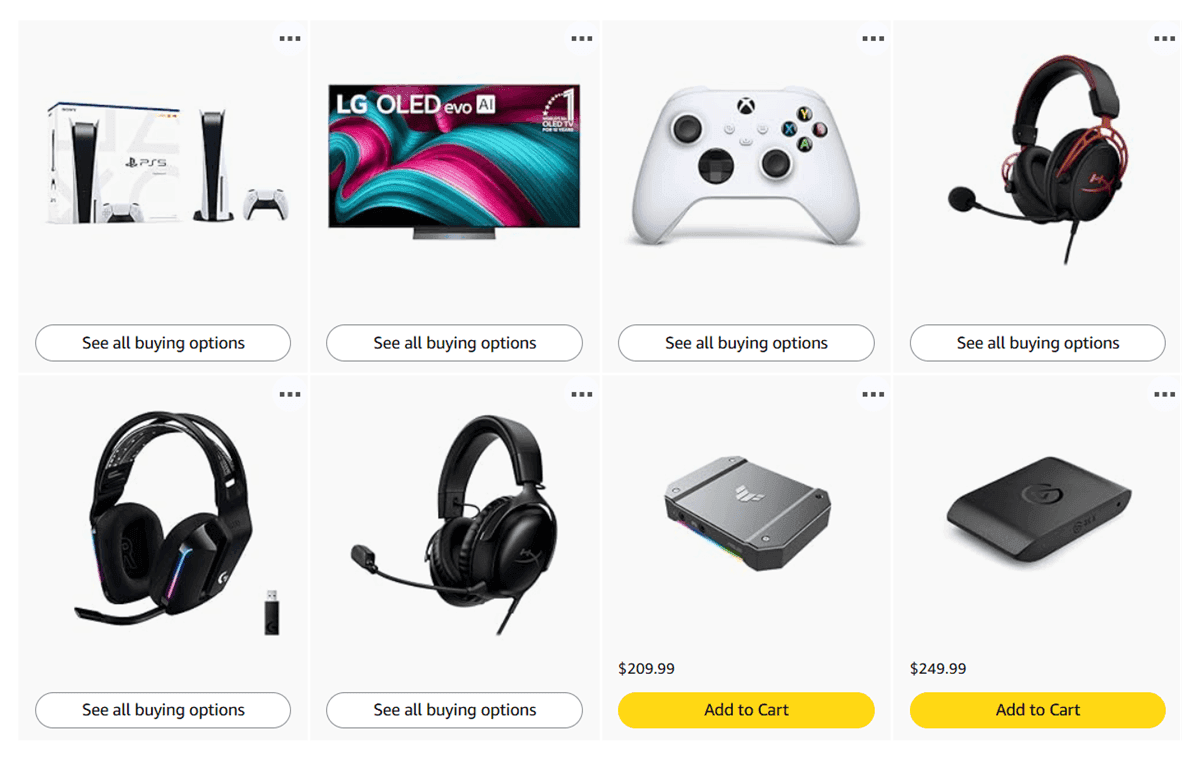
Capture cards, headsets, controllers, and gaming TVs or monitors are the physical gear someone needs to play or stream GTA 6 well. This is the broadest, highest-search-volume category and is covered in buying-guide depth elsewhere in this series.
2. Creator Software and SaaS Tools
The same tools covered throughout this guide, such as web hosting, SEO plugins, email platforms, and community platforms, aren’t just things you use yourself. They are legitimate products to recommend to other GTA 6 creators building their own channel or site, since you are already a credible, first-hand user of exactly what you would be promoting.
3. Digital Storefront and Course Platforms
For creators further along, selling their own GTA 6 templates or guides, recommending the platforms covered in the digital-products guide in this series is a natural, high-relevance affiliate category aimed at a more advanced audience segment.
4. Gaming Console and Actual GTA 6 Game Purchases

Direct links to the game itself and to PS5 or Xbox hardware convert well around launch, when buying decisions are actively being made, though commission rates on game and console sales tend to be lower than accessories.
The common thread: every category above is something you’d genuinely recommend even without a commission attached. That’s not a coincidence. It’s why audience-offer fit outperforms chasing whatever pays the most.
Choosing Affiliate Networks and Programs Worth Your Time
Not every program that accepts you is worth promoting. Audience-offer fit matters more than commission size alone.
1. The Approval Process
Most established programs review your traffic and content before accepting you, checking that your audience matches what they are selling. A gaming-focused GTA 6 site applying to a gaming peripheral program has an easier approval path than applying somewhere unrelated.
2. Reading the Affiliate Partner Agreement
Exclusivity clauses, geo-targeting restrictions, and chargeback policies appear in the fine print most creators skip. An exclusivity clause can block you from promoting a direct competitor later, which matters if you plan to compare products honestly.
3. Diversify Across Networks
Relying on a single program concentrates your risk and can catch creators off guard when a program changes its terms or shuts down. Spreading promotion across two or three relevant programs protects your income from any single program’s decisions.
Reading the Fine Print Before You Join
A few clauses in an affiliate agreement matter more than they look at first glance.
1. Chargeback and Reversal Policy
Most programs reverse your commission if the referred customer cancels, refunds, or disputes the charge within a set window. A program with a long reversal window on a product with a high refund rate quietly erodes earnings you thought were already locked in.
2. Geo-Targeting Restrictions
Some programs only pay commission on traffic or sales from specific countries, which matters if a meaningful share of a GTA 6 audience comes from outside the program’s covered regions. Check this before building content around an offer that half your traffic cannot trigger a commission from.
3. Payment Method Options
PayPal, direct bank transfer, and wire transfer have different minimum thresholds and processing times. A program that only pays by wire with a high minimum is a very different experience than one offering PayPal at $10.
4. Product Category Relevance
The closer a program’s product is to what your audience is searching for, such as GTA 6 gear, streaming tools, creator software, the higher it tends to convert, almost regardless of commission rate. A high-commission offer with weak relevance usually loses to a modest-commission offer with strong relevance.
How Affiliate Marketing Actually Works
1. Cookie Duration (or Cookie Lifetime)
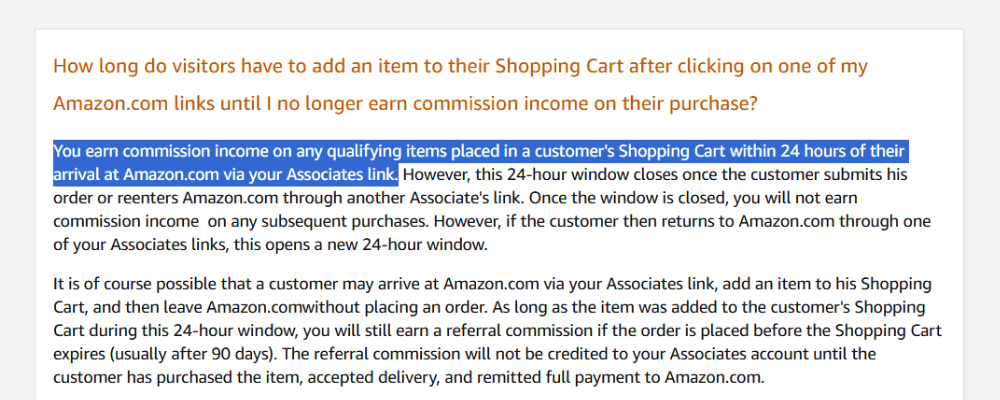
It is the window after someone clicks your link during which you still get credit for a purchase. Amazon typically uses a short 24-hour cookie duration. Many other affiliate programs offer a 30-day window.
Some programs run much longer, which matters enormously for anything a buyer researches before committing, like a $200 SEO tool subscription vs. an impulse $15 purchase.
2. Earnings Per Click (EPC)
Earnings per click is the single most useful number for comparing two affiliate offers that look similar on paper. It already factors in both conversion rate and commission size, which makes it more reliable than guessing at either one separately.
3. Commission Structure
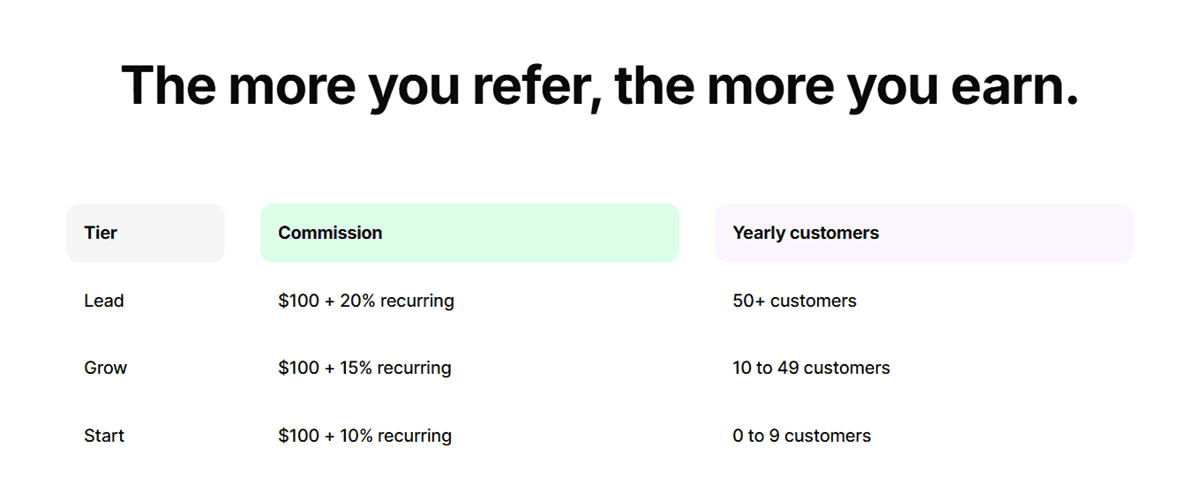
It splits into two real models. A one-time, flat payout per sale is simple and predictable. A recurring percentage, paid for as long as the referred customer stays subscribed, compounds over time but depends entirely on that customer sticking around. Neither is universally better; it depends on the product and your own content strategy.
4. Disclosure Requirements
Affiliate disclosures aren’t optional anymore. Every affiliate link needs a clear, visible disclosure that it’s an affiliate link, under FTC guidelines in the US and similar rules elsewhere. This isn’t just a legal box to check; it’s also a trust signal readers and Google’s own guidelines both weigh.
Platform rules add a second layer on top of FTC rules: YouTube has its own paid-promotion disclosure toggle, separate from a written disclosure in the description, and it’s worth enabling whenever a video includes affiliate links. Affiliate income is also taxable income in most places, tracked and reported the same as any other earnings, so set up proper bookkeeping from the first commission rather than retroactively once a program sends a tax form.
Understanding What An Affiliate Program Actually Pays: A Real Example
Generic “high commission” claims are easy to make and hard to verify. Here’s one worth knowing precisely, since it’s a program many content creators eventually join.
Semrush’s current affiliate program, run through the Impact network, pays a flat $200 for every new paid subscription and $10 for every free trial activation, with a 120-day cookie window and monthly payouts once you clear a $10 to $50 minimum threshold depending on payout method.
This is worth stating clearly because many still-circulating articles repeat an older “40% recurring commission, 10-year cookie” structure from Semrush’s discontinued BeRush program, which stopped operating years ago. Always check a program’s current terms directly rather than trusting an older blog post, including this one, since terms do change.
That 120-day cookie window matters for a tool like this: someone researching an SEO platform rarely buys on the first visit, so a longer window captures sales a 24-hour cookie would miss entirely.
Gaming Peripheral and Hardware Programs
Hardware affiliate commissions run lower than most creators expect. Knowing the real numbers prevents disappointment later.
Amazon’s gaming and electronics categories, including controllers, headsets, and capture cards, typically pay in the 2% to 4.5% range, not the 20% figure some lower-quality guides quote, which applies only to Amazon’s own published game titles, a different category.
AAWP is the plugin that makes Amazon links practical on WordPress. It generates properly formatted product boxes with live, auto-updating pricing rather than a price typed in once and left stale.
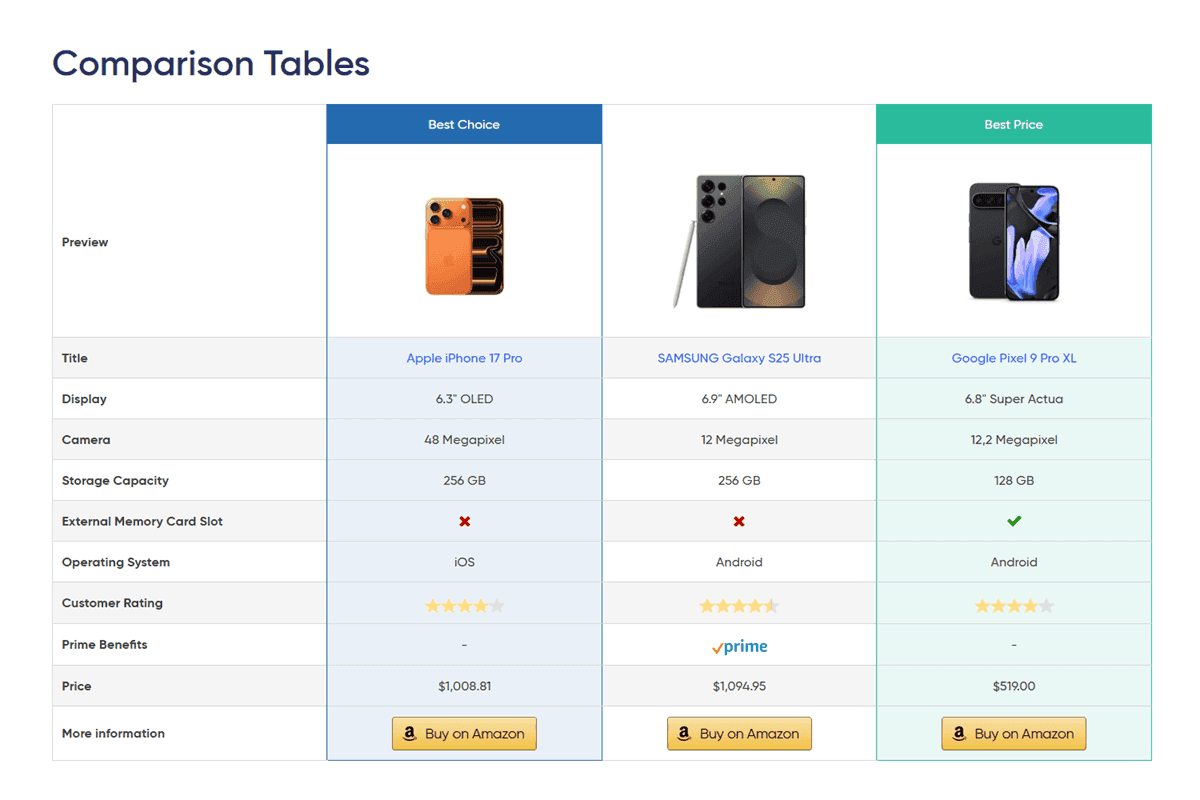
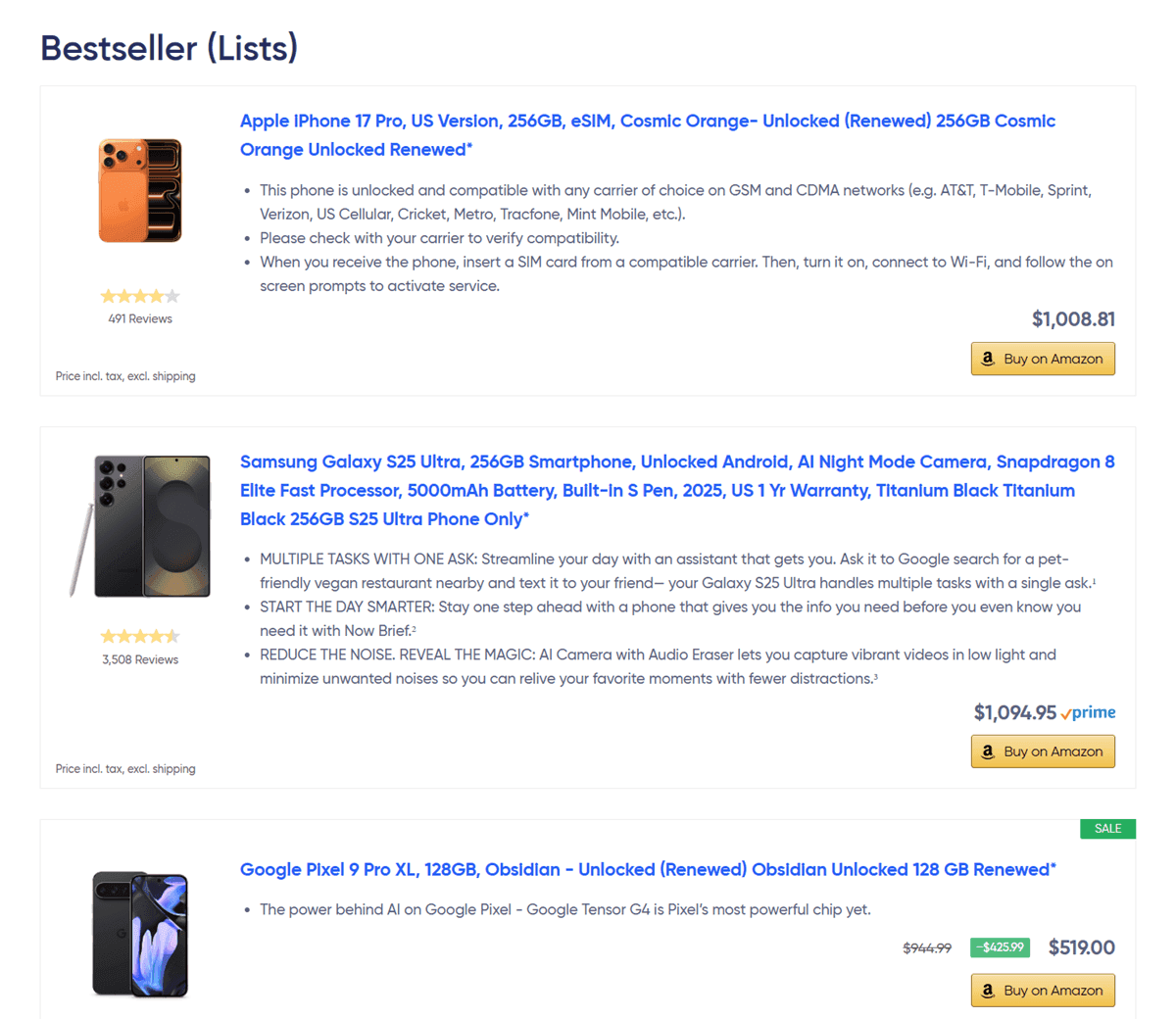
This matters for reader trust and for staying inside Amazon’s affiliate program formatting requirements.
Direct brand affiliate programs run by peripheral manufacturers rather than through Amazon often pay better, commonly in the 5% to 15% range, though approval usually requires a more established audience and a direct application.
Coupon Codes, Deep Links, and Seasonal Timing
A few tactical tools consistently lift conversion once the fundamentals above are in place.
1. Coupon Code Integration
A real, working discount code gives a reader a concrete reason to click now rather than bookmark a page for later. A fake or expired code does the opposite and damages trust the moment a reader tries it and it fails.
2. Deep Linking
Most affiliate programs let you link directly to a specific product or pricing page, not a generic homepage. A deep link to the exact GTA 6 headset or software tier you recommend removes a step between a reader’s decision and the purchase, which measurably improves conversion over a generic landing-page link.
3. A Seasonal Promotion Calendar
GTA 6’s launch window, the days around November 19, 2026, is the highest-traffic moment this entire niche will see. Planning affiliate content around it in advance matters more than reacting as it happens.
Black Friday, holiday sales, New Year sales, and back-to-school periods layer on top of that launch window for hardware and software offers. A planned content calendar around those dates captures far more of the seasonal spike than content written the week of.
Link Placement: Where Readers Actually Click
Where a link sits matters as much as which product it points to.
1. Decision-Stage Placement Wins
A link inside a genuine comparison or a “here’s what I actually recommend” section converts far better than the same link dropped into an unrelated paragraph just to hit a density target. A reader already deciding between two products is the highest-intent moment in the whole article.
2. Avoid Stuffing
A page with a link in every paragraph reads as an ad, not content, and both readers and Google’s guidelines treat it that way. A handful of well-placed, relevant links outperforms a dense wall of them.
3. Test Placement, not Just Copy
It’s common for the same link to perform differently at the top of an article vs. inside a conclusion. A/B testing link position, not just link text, often reveals a bigger lift than testing ten sentence variations.
4. Link Cloaking and Tracking
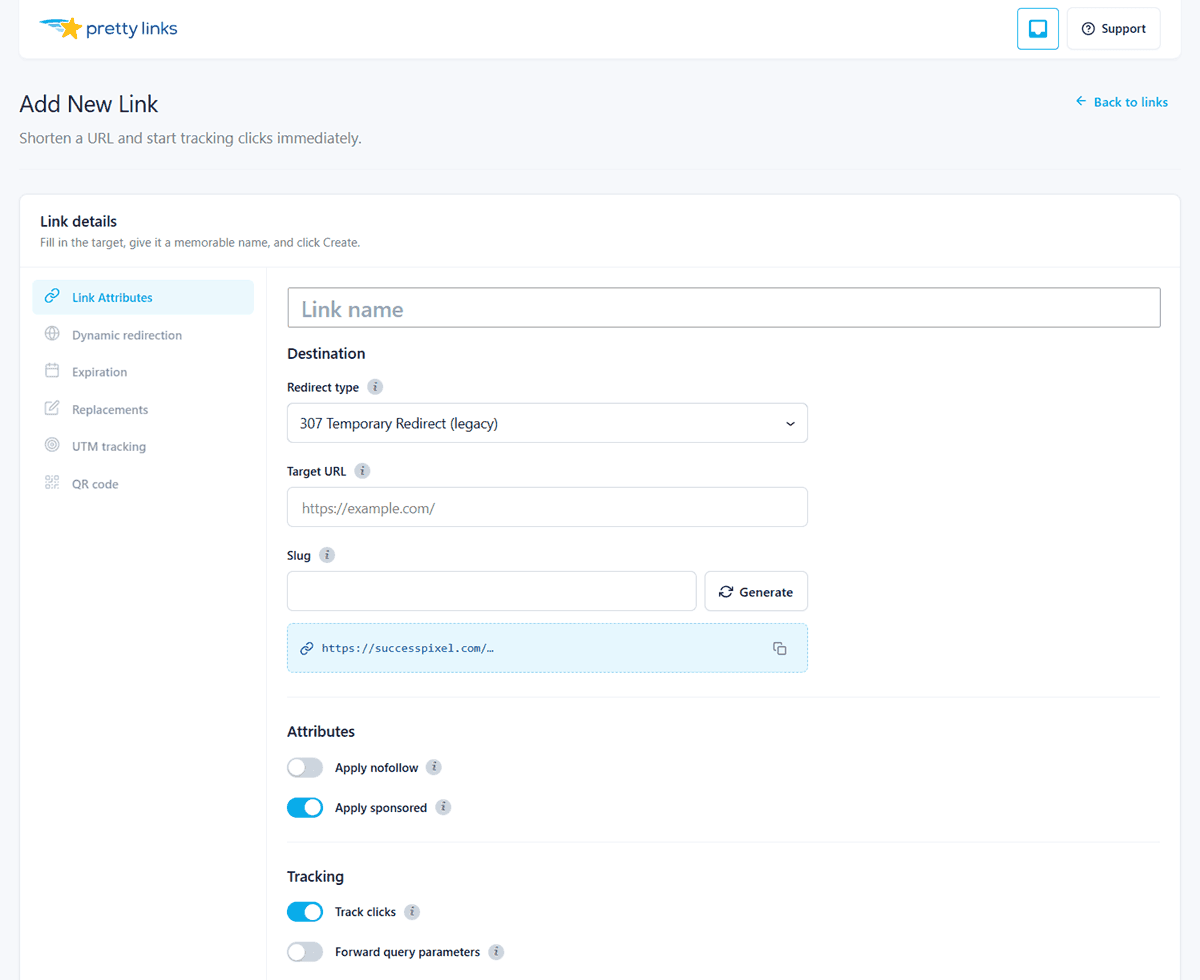
Pretty Links turns long, ugly affiliate URLs into clean, branded short links and tracks clicks by placement, so you can see which specific spot in an article is doing the work, not just which article overall.
Matching Content Format to Where the Buyer Is
Not every piece of content should carry the same kind of affiliate link, and matching the format to buyer intent is worth deliberate planning.
1. Early-Stage Content
A “what is GTA 6” explainer or a news roundup should carry light, low-pressure links if any, since the reader isn’t shopping yet. Pushing a hard sell here feels tone-deaf and converts poorly regardless of the product.
2. Comparison and Review Content
This is where most real affiliate revenue lives. A reader comparing two capture cards or hosting providers has already decided to buy something; the only question is which one. This is where a detailed, honest breakdown, including real downsides, earns the click.
3. Decision-stage Content
A “best X for GTA 6” roundup or a direct “here’s what I use” page is the highest-converting format, since the reader arrived already looking for a specific recommendation. This content is worth the most research and update effort, as it keeps converting while staying accurate and current.
Building a mix of all three formats, rather than only publishing comparison content, keeps a site growing its audience at the top of the funnel while still converting at the bottom. A site with only decision-stage content has no new readers; a site with only early-stage content rarely earns from its audience.
How GTA 6 Creators Actually Generate Affiliate Traffic and Sales
Everything above assumes traffic exists. Here’s where it actually comes from, channel by channel, and how each one turns into real affiliate leads and sales rather than just links nobody sees.
1. YouTube
A dedicated “what’s in my GTA 6 streaming setup” or “best capture card for GTA 6” video, with every product linked in the description and pinned as the first comment, is the highest-converting format on this platform. Mention the product naturally on camera too, not just in the description, since many viewers never scroll down to check it.
➡️ Also Read: How to Start a GTA 6 YouTube Channel and Go Viral
2. Blog and SEO content
This is where decision-stage content, the comparison and “best X for GTA 6” articles covered earlier, does its heaviest lifting. Someone arriving from a Google search for “best gaming headset for GTA 6” is already shopping; the article’s job is to confirm the right choice and make the link impossible to miss.
➡️ Also Read: How to Start a GTA 6 Blog: Complete Setup Guide
3. Short-form video
A quick before-and-after using an edit preset, or a fast “this is the controller I use” clip, works as a discovery layer feeding other channels rather than converting directly. Point viewers toward a bio link or pinned comment with the full comparison, since short-form’s format doesn’t suit a detailed pitch.
➡️ Also Read: How to Make GTA 6 Shorts (2026 Viral Workflow)
4. Live streaming
Mentioning gear naturally when a viewer asks about your setup, backed by a stream panel or chat command that returns the actual link, captures high-intent, engaged attention the other formats can’t replicate. A viewer who just watched you use something for two hours is a warmer lead than one reading about it cold.
➡️ Also Read: GTA 6 Streaming Guide 2026: The Best Platforms, Broadcast Setup & Payout Splits
5. Email and DM automation
A dedicated “here’s my full GTA 6 setup” email to your list converts at a different rate than a passing mention in a video, since the reader opted in specifically to hear from you. The comment-to-DM tools covered earlier turn a social comment into automatic link delivery, capturing a lead at their highest interest instead of hoping they return later to search for it.
Running two or three of these channels together, rather than relying on just one, is what actually compounds. A YouTube video drives search traffic to a blog comparison, which captures an email signup, then promotes a seasonal deal, all from one piece of original research done once.
Building the Content Engine Behind It
Affiliate content needs a steady publishing rhythm to compound, and a few tools make that realistic without burning out.
SEO Writing AI and Writesonic both speed up first drafts and structure. Writesonic shifted its focus in 2026 and now also tracks how a brand shows up in AI-generated search answers, not just traditional SEO, worth knowing if that’s part of your strategy. Its current plans start at around $79/month on annual billing.
SEO Writing is a more affordable option, starting at $14/month with annual billing. It offers key features like WordPress MCP and a revamped rewriter tool with SERP insights for better rankings.
Use either as a drafting aid, not a publish-and-forget tool. Fact-check every claim before it goes live, the same discipline you’d apply to a human writer’s first draft.
General-purpose AI tools matter here too.
- Claude, Gemini, and ChatGPT handle research, outlining, and editing well, and neither requires a specific affiliate-content use case to be worth daily use.
- Google Search Console remains an essential, free SEO platform that shows which queries bring affiliate-intent traffic to your site.
- TinyPNG compresses product images without visible degradation, which matters for a site loaded with comparison photos since page speed is a ranking factor.
- Canva covers visuals, comparison graphics, pull quotes, and social promotion images without needing design software.
The Infrastructure Behind an Affiliate Site
A GTA 6 affiliate site needs the same technical foundation as the blog covered elsewhere in this guide series. Several of those tools are legitimate, high-relevance affiliate offers for a site teaching creators how to build one.
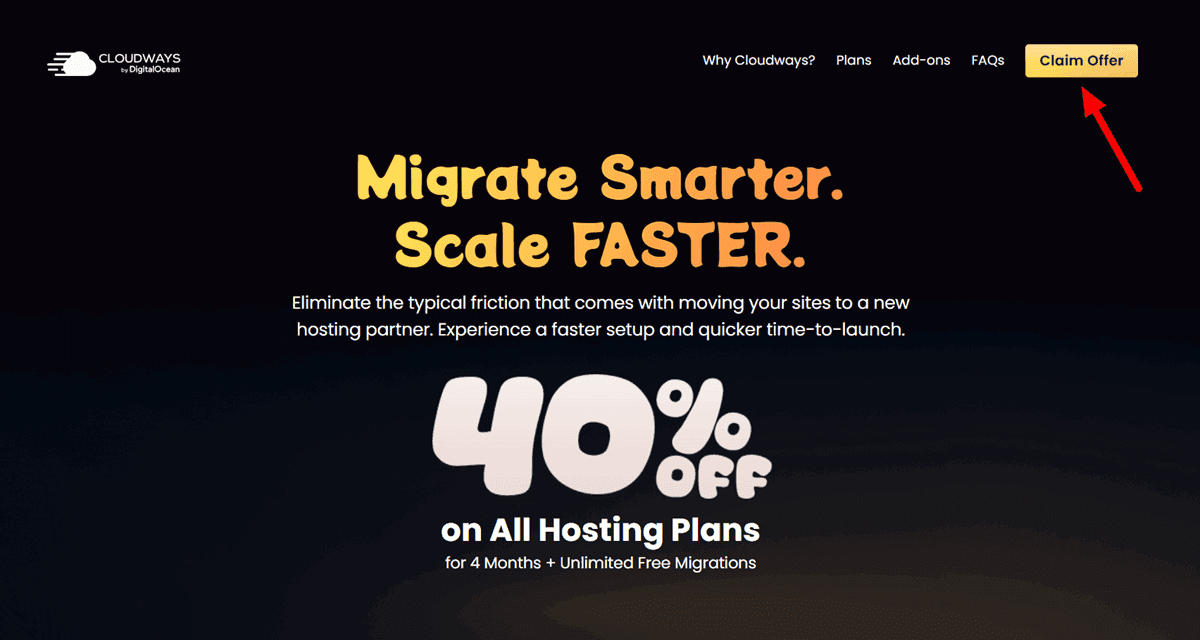
HostArmada and ChemiCloud are two popular web hosting providers to build a profitable GTA 6 affiliate marketing site. Both cover the earlier, lower-traffic stage well. Cloudways handles hosting once your traffic climbs past what shared hosting can comfortably support.
Astra remains a fast, schema-friendly theme choice, and Rank Math Pro handles the on-page SEO and schema markup that affiliate content specifically benefits from, since structured product data can earn richer search results.
Diversifying Past One-Time Commissions
Affiliate income alone has a ceiling tied to traffic. Pairing it with owned channels compounds faster than affiliate links alone.
Beehiiv and Kit turn affiliate-content readers into an owned email list, a channel an algorithm change can’t throttle. ManyChat and DMDaddy handle comment-to-DM automation if your traffic comes mostly through Instagram, turning comments into automatic link delivery. Outfame schedules and paces social promotion of your affiliate content consistently, rather than relying on remembering to post.
Once you have a real, engaged audience, a paid community built on Skool or Heartbeat adds a recurring revenue layer entirely separate from affiliate commissions, insulated from any single program changing its terms.
Building Trust Before You Ever Push a Sale
The biggest difference between an affiliate page that converts and one that doesn’t usually isn’t the product or commission rate. It’s whether the content earns trust before asking for anything.
A genuine comparison naming real downsides, not just a one-sided pitch, reads as credible because it isn’t flattering everything it touches. A reader who senses a page will recommend anything for a commission stops trusting any recommendation on it, which quietly tanks conversion across the entire site, not just one weak page.
This is where long-term affiliate relationships pay off. A creator who builds a real relationship with a program’s affiliate manager, not just an anonymous account in a dashboard, often hears about rate increases, early access to new offers, or exclusive coupon codes before the general affiliate pool. Reaching out directly once you have consistent volume is worth the small effort.
Some networks offer sub-affiliate programs, where you earn a smaller commission on referrals made by affiliates you personally recruited into the program. This is a genuinely minor income stream for most creators, worth knowing about but not worth building a strategy around, since it depends on convincing other people to do consistent work on your behalf.
Tracking What’s Actually Working
Review your affiliate dashboard regularly, not just once a month when a payment arrives. Track revenue by source, program, article, and placement so you can tell the difference between a strong-converting link and one just attached to your highest-traffic page.
Cut underperforming programs rather than leaving every link live indefinitely. A program with low EPC and a short cookie window quietly costs you content real estate a better-fit program could use. Reinvest in content formats that convert and scale those, rather than spreading effort evenly across everything you’ve tried.
Once you’ve proven real volume with a program, ask about a higher commission tier. Most networks won’t offer this unprompted, but a track record of consistent, quality referrals is negotiating strength you can use in that conversation.
➡️ Also Read: How to Make Money With GTA 6 Online: Complete Creator Roadmap
Frequently Asked Questions
Q: How long does affiliate program approval usually take?
A: It varies widely, from instant automated approval on some networks to a week or more for programs that manually review applicants. A site with clear, relevant, already-published content speeds this up significantly compared to applying with an empty or brand-new site.
Q: Is a smaller cookie duration always worse?
A: Not necessarily. A short cookie window matters most for considered purchases people research over days or weeks. For an impulse buy, a 24-hour or even same-session cookie barely limits real earnings, since most buyers convert on the same visit anyway.
Q: Do I need a certain amount of traffic before applying to affiliate programs?
A: Some programs set minimum traffic thresholds, but many don’t, especially niche-specific gaming programs. A smaller, genuinely relevant audience often gets approved faster than a larger but unfocused one.
Q: What’s the actual legal requirement for affiliate disclosure?
A: In the US, the FTC requires a clear, conspicuous disclosure near the affiliate link itself, not buried in a footer or separate page. Disclosure rules may vary slightly by country, so check the specific requirement where your audience is based.
Q: Should I promote every product I could possibly link to?
A: No. Promoting something your audience doesn’t need just because a program pays well damages trust fast and usually converts poorly. Audience-offer fit consistently outperforms chasing the highest commission rate on the market.
Conclusion
Affiliate marketing rewards precision over volume. A handful of genuinely relevant programs placed where a reader is already deciding beats a page cluttered with links to everything you could monetize. Track what converts, cut what doesn’t, and reinvest in placements and programs doing real work.
Which program are you applying to first?
