
20 Best AI Digital Products to Sell Online in 2026


People are making real money selling AI digital products right now. Not by building complex software. Not by spending months creating a course. By packaging what they already know into a simple, useful file that buyers can download and use the same day.
- A 20-prompt pack for Etsy sellers.
- A weekly planner for ADHD adults.
- A kids ebook for a regional language market nobody else is serving.
These are the AI digital products that sell, and you can build your first one this weekend.
The global creator economy was valued at $254.4 billion in 2025. By 2026, it climbs to $313.95 billion. If current growth continues, the market will cross $2 trillion by 2035, expanding at 23.41% per year according to Precedence Research.
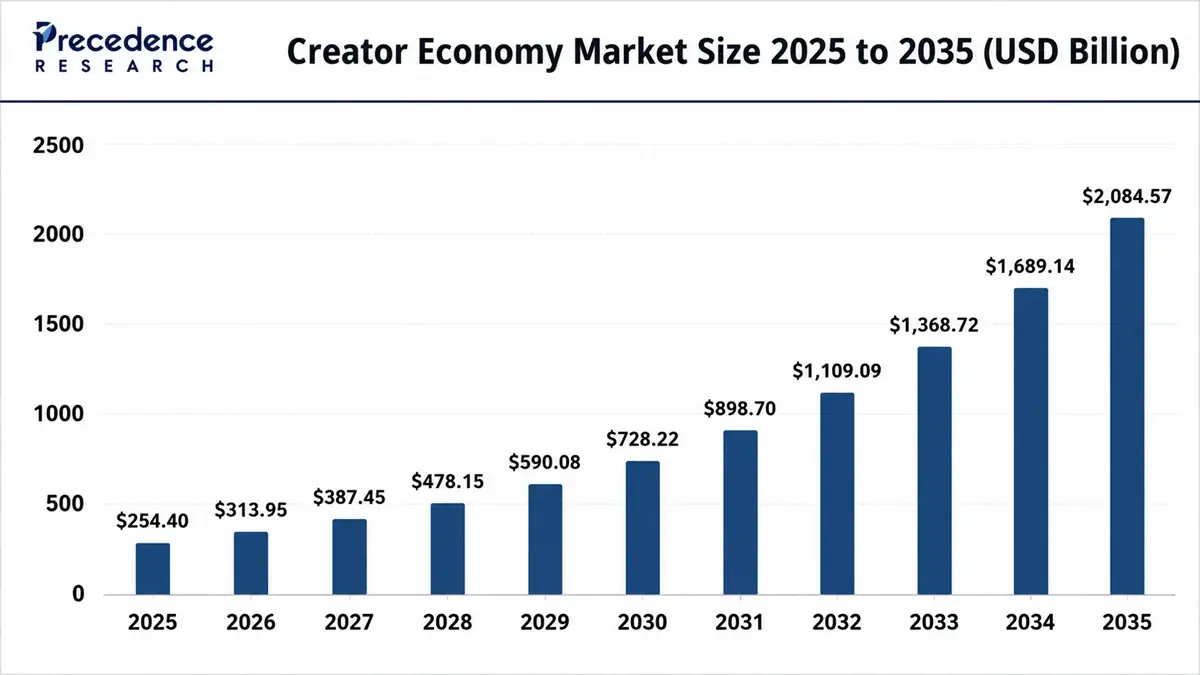
The growth is driven by a combination of wider internet access, cheaper digital tools, and AI. These factors enable writers, editors, designers, and digital marketers to produce and sell content at a scale that was not realistic even three years ago.
The AI-powered part of that market is growing faster, at 31.3% annually, according to Research and Markets.
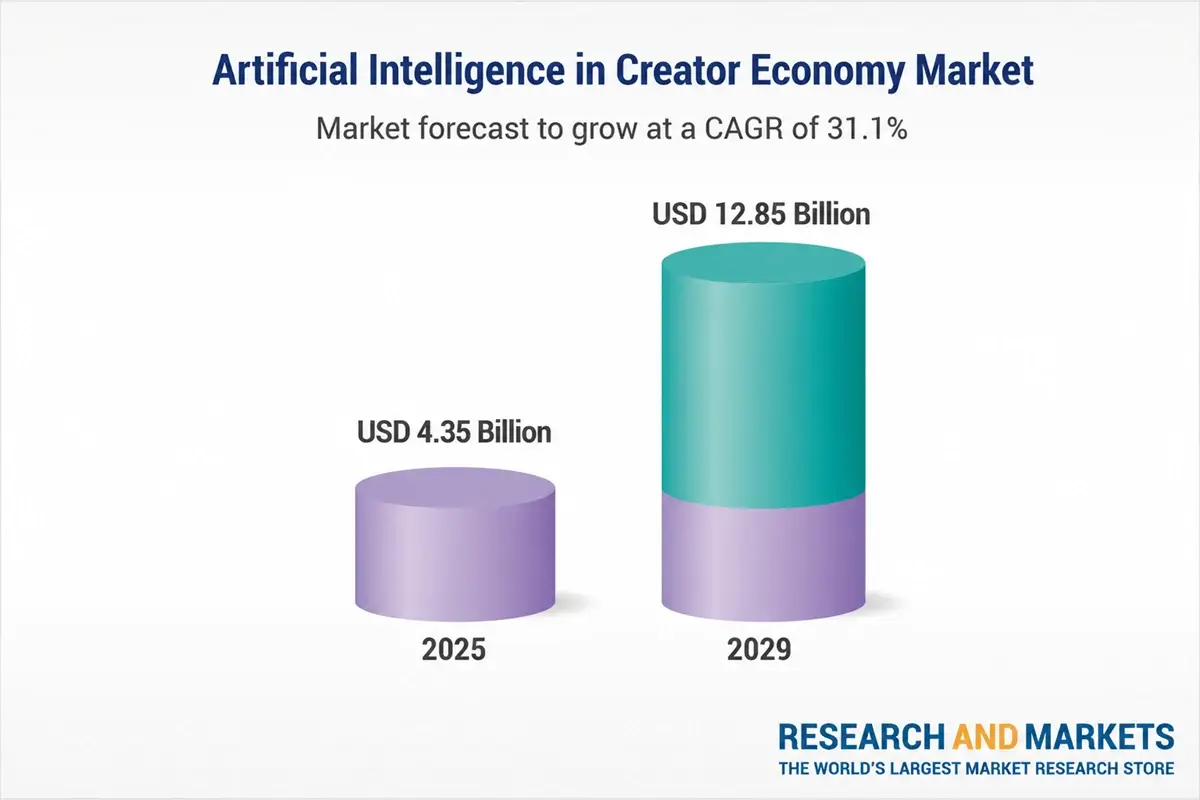
That growth is being driven by solo creators who found a specific problem in a specific niche, used AI tools to build a solution, and put it up for sale on Gumroad, Etsy, or Payhip. No tech degree needed. No massive following required. Just a clear audience, a real pain point, and a product that genuinely helps them.
The mistake most beginners make is not about choosing the wrong format, but spending 6 weeks researching the perfect product instead of building an imperfect one and learning from actual buyers. A $27 prompt pack that ships this Friday teaches you more than a $297 course you spend 4 months perfecting.
This guide covers how to create AI digital products to sell online across 20 product types, including AI prompt packs, planners and journals, kids ebooks, coloring books, Canva social media templates, niche email sequence templates, Notion systems, sales funnel templates, automation workflows, and more.
Each format comes with a commercial viability rating, build time, price range, and ban risk note. You also get the licensing rules that can get your listings removed, real AI prompts to use at each build stage, and a full breakdown of how to sell on Instagram, Pinterest, YouTube, Threads, Facebook, and X without any ad spend.
Why AI Products Are Selling Right Now (And What Actually Drives Buyers to Pay)
Every new creator faces the same objection in their own head: “Why would anyone pay for something ChatGPT can produce for free?”
The answer is not philosophical. It is practical. A busy Etsy seller does not want to spend 3 weeks learning prompt engineering to write product descriptions that actually convert. A freelance designer does not want to test 60 Midjourney prompt variations to find the 5 that consistently produce the commercial quality their clients expect. They want the curated, tested, specialist output delivered in a copy-paste format on the first attempt.
Buyers pay for 3 things when they purchase an AI digital product: curation (someone sifted 200 prompts and kept the 20 that reliably work), specialization (the product is built for their exact role, tool, or context), and elimination of trial and error (the product delivers a usable output without experimentation). Those 3 things are not freely available from ChatGPT. They are the product.
The market data confirms this. A substantial 84% of creators now use AI tools in their workflow, according to Behind the Scenes research published in January 2026. But adoption is not expertise. The gap between “I know AI tools exist” and “I know which prompts produce professional-quality outputs for my specific business context” is wide, monetizable, and growing. That gap is your product opportunity.
The 20 AI Digital Products You Can Sell in 2026
Each product type below is rated for commercial viability, build complexity, evergreen status, and ban risk (the risk of being removed by Etsy, Gumroad, or other platforms for violating their terms and conditions). Products with the highest buyer intent are marked.
1. AI Prompt Packs
- Build time: 4 to 8 hours
- Price range: $17 to $97
- Evergreen: Yes
- Ban risk: Low
A prompt pack is a curated collection of tested AI prompts organized around a specific professional task or workflow. The format works for ChatGPT, Claude, Gemini, or Midjourney. The delivery is a PDF or Notion document with each prompt labeled, formatted for copy-paste, and accompanied by a usage note and an example output.
The best-selling packs are narrow, not broad. A 30-prompt pack for Etsy sellers writing product titles and SEO descriptions is more valuable to an Etsy seller than a 500-prompt “mega-pack for everyone.”
Specificity is the entire pricing argument: a niche pack commands $47-$97. On the other hand, a generic one competes at $5- $9 alongside thousands of other listings.
Viability note: One creator documented earning over $1,000 from a single niche Gumroad prompt pack in its first 2 months with no paid ads. Prompt packs for high-income professionals in finance, legal, and real estate consistently fall within the $47 to $97 price range.
2. AI Content Creation Templates
- Build time: 6 to 12 hours
- Price range: $17 to $67
- Evergreen: Yes
- Ban risk: Low
These are ready-made templates for blog posts, social media captions, email newsletters, YouTube scripts, and sales pages — each with the AI prompt pre-written and the output format structured so the buyer fills in 3 to 5 variables and gets a finished draft. The best versions include both the template framework and a Canva or Google Doc design file that the buyer can publish directly.
Social media content kits, in particular, are one of the strongest sellers in 2026. Monthly content calendars with AI prompts built in sell consistently at $9 to $29 to small business owners and creators who need content but do not want to write it from scratch.
The 30-day, 60-day, and 90-day AI social media content kits are the premium versions of this format. A 90-day Instagram content kit with 90 captions, 90 prompts to generate matching visuals, and a scheduling template is the kind of product that commands $37 to $67 and has genuine repeat demand, with buyers returning the next quarter.
3. AI Social Media Templates (Canva-Based)
- Build time: 6 to 10 hours
- Price range: $9 to $47
- Evergreen: Yes
- Ban risk: Low
Editable Canva templates for Instagram posts, Stories, Reels covers, LinkedIn carousels, and Pinterest graphics, pre-sized for each platform, with AI-generated placeholder content included for each slide. The buyer pays for the design and the pre-written content structure. They swap in their brand colors and copy in under 10 minutes.
This is one of Etsy’s strongest-selling digital product categories in 2026. According to Etsy’s top-selling digital product trends data, social media branding template packs and content calendar templates consistently rank among the top-selling digital product types. The localization angle works exceptionally well here: a social media template pack built around Instagram aesthetics popular in a specific regional market outperforms a generic pack designed for a global audience.
4. AI Email Sequence Templates (Niche-Specific)
- Build time: 8 to 16 hours
- Price range: $27 to $97
- Evergreen: Yes
- Ban risk: Low
A niche email sequence template is a pre-written 5 to 7 email series for a specific business type, complete with subject lines, body copy structures, and AI prompts to personalize each email to a buyer’s product, audience, and voice. The best ones are built for a single vertical: a welcome sequence for Etsy sellers, an abandoned cart recovery sequence for Shopify store owners, or a launch sequence for online course creators.
The value is immediate and specific. A new Etsy seller who needs a welcome sequence does not have time to learn copywriting. A 5-email sequence they can customize in 30 minutes using the included AI prompts is worth $37 without hesitation. The niche-specific angle is the entire pricing case.
5. AI Planners and Journals
- Build time: 6 to 14 hours
- Price range: $5 to $29
- Evergreen: Yes
- Ban risk: Low
AI-assisted planners and journals are one of Etsy’s best-performing digital product categories in 2026, according to Insight Agent’s Etsy trend data. Weekly planners, goal trackers, habit trackers, gratitude journals, manifestation journals, self-care planners, and budget planners all sell consistently because they solve daily problems for a large buyer pool.
The AI production advantage here is significant: a tool like ChatGPT or Writesonic can generate 365 unique journal prompts, a full year of daily habit tracker entries, or a structured 90-day goal planner in hours rather than days. Canva handles the design layer. The total production time for a professional 90-page planner has dropped from 2 weeks to a weekend.
Evergreen sub-niches with year-round demand:
- ADHD-friendly planners
- Wedding budget planners
- Meal planners
- Fitness trackers
- Pregnancy journals
- Classroom planners for teachers
⚠️ Important: Seasonal variants (back-to-school, New Year goal planners, Christmas budget planners) generate predictable demand spikes.
6. AI Coloring Books and Printable Pages
- Build time: 4 to 12 hours
- Price range: $3 to $19
- Evergreen: Yes
- Ban risk: Low if AI disclosure is made; Medium to high risk on Amazon KDP without disclosure.
Adult coloring pages (mandalas, botanicals, mindfulness themes) and kids coloring books are among the most active Etsy digital download categories. Midjourney, Adobe Firefly, and DALL-E can generate high-quality coloring page outlines at scale. A 30-page adult mandala coloring book or a 20-page kids activity and coloring pack can be produced in an afternoon.
The commercial licensing requirement is critical here. Midjourney requires a paid subscription for commercial use of generated images. DALL-E and Adobe Firefly have more permissive commercial licensing on paid tiers. Verify current terms before listing.
Ban risk note: Amazon KDP requires explicit disclosure when using AI-generated content in books submitted to their platform. Etsy requires accurate AI disclosure in product listings. Failure to disclose is grounds for removal. This is not a legal gray area in 2026, but a platform policy requirement that is actively enforced on Etsy and KDP.
Niche opportunity: Themed coloring packs (anxiety relief, travel-themed kids coloring, educational animals, affirmation coloring pages for adults) outperform generic mandalas because they rank for specific search queries on Etsy.
7. AI Kids Ebooks and Activity Books
- Build time: 1 to 3 days
- Price range: $4 to $19
- Evergreen: Yes
- Ban risk: Low with proper AI disclosure
Kids ebooks, educational activity books, and read-along stories are a rapidly growing Etsy and Gumroad category. According to recent Etsy trends data from February 2026, study guides, homeschool curricula, and activity books for kids are among the most consistently selling educational digital products, with teachers and parents representing a large, repeat-buyer segment.
AI tools can rapidly generate age-appropriate story content, educational worksheets, and activity prompts for specific age groups. The design layer in Canva or similar tools adds an illustrated style consistent with children’s content. A 20-page early-reader story for ages 4 to 6, with activity pages at the end, is a complete product.
What sells best: Phonics activity books, alphabet learning sheets, math worksheets for specific grade levels, seasonal story packs (Christmas stories, Halloween activity books), and bilingual kids ebooks for non-English language markets.
8. AI Ebook Creation System
- Build time: 1 to 3 days
- Price range: $27 to $97
- Evergreen: Yes
- Ban risk: Low
An AI ebook creation system teaches buyers how to create and sell their own ebooks using AI tools, with a step-by-step framework, recommended tools, Canva templates, and a product listing template included. This is a meta-product: it teaches the process while demonstrating the outcome.
Writesonic is the strongest tool for AI ebook drafting at the production level. Its Article Writer 6.0, available on paid plans starting at $39 per month, generates long-form, structured content with built-in live web research. As a product creation tool, it cuts ebook drafting time from days to hours.
Viability note: Guides teaching non-technical people how to use AI for business and productivity are the fastest-growing ebook category in 2026, with search volume for AI-related content doubling year-on-year per Google Trends data.
9. AI Faceless YouTube Starter Kit
- Build time: 8 to 20 hours
- Price range: $37 to $97
- Evergreen: Yes
- Ban risk: Low
A faceless YouTube starter kit is a complete production system for launching an AI-powered faceless channel, packaged as a digital product. The kit includes video script templates for the 5 most common video formats in a specific niche, thumbnail prompt packs for Midjourney or DALL-E, a channel setup checklist, a 30-day content calendar, a voiceover workflow guide for ElevenLabs, and a video description SEO template.
This format has strong buyer intent because the faceless YouTube niche is actively growing, and buyers want a faster path to production than piecing together scattered information from free YouTube videos. A complete kit priced at $47 to $97 competes against a 20-hour research process, and most buyers choose the kit.
Niche-specific versions outsell generic ones. A faceless YouTube starter kit for the personal finance niche or the AI tools review niche sells better than a general “faceless YouTube kit” because the buyer can see themselves using it immediately.
10. AI-Powered Notion Templates
- Build time: 8 to 20 hours
- Price range: $17 to $97
- Evergreen: Yes
- Ban risk: Low
Notion templates enhanced with AI workflows, built-in prompt libraries, and automated dashboard components are one of the highest-demand digital product types for solopreneurs and productivity-focused buyers. According to Inkfluence AI’s 2026 niche data, Notion and productivity templates have strong year-on-year sales growth with consistent $9 to $49 price bands.
The premium tier of this category is an AI-enhanced system product: a complete business operating system in Notion with integrated ChatGPT prompts for each section, a client CRM with AI-powered outreach templates, or a content creator dashboard with a built-in monthly prompt calendar. These products command $47 to $97 because the buyer is purchasing a complete workflow infrastructure, not just a visual template.
11. AI Marketing Swipe Files
- Build time: 6 to 14 hours
- Price range: $27 to $97
- Evergreen: Yes
- Ban risk: Low
A marketing swipe file is a curated collection of high-converting ad copy, email subject lines, landing page headline formulas, hooks, calls-to-action, and sales page frameworks, each accompanied by the AI prompt used to generate them so the buyer can create infinite variations. The product gives buyers both the fish and the fishing rod.
The niche-specific version consistently outperforms the generic one. A swipe file built for Shopify store owners running Facebook ads is more valuable to that buyer than a general “100 marketing templates” collection, because the copy formulas are calibrated to the specific product types, buyer psychology, and ad platform that Shopify merchants actually use.
12. AI SEO Content System
- Build time: 10 to 20 hours
- Price range: $47 to $147
- Evergreen: Yes (System updates are needed frequently to keep up with changes in search engine algorithms.)
- Ban risk: Low
An AI SEO content system is a complete workflow product for creating Google-rankable content using AI tools. It includes keyword research prompt templates, content brief generators, topical cluster mapping frameworks, article structure templates, and internal linking prompt guides. A creator who understands SEO can package their entire research-to-publish process into a sellable system.
This is a high-value product for the buyer because it solves a painful and expensive problem. Hiring an SEO agency costs thousands per month. A $97 AI SEO content system that teaches the same process at a fraction of the cost has an obvious value proposition. The buyer does the work themselves, faster than they could without the system.
13. AI Resume and Cover Letter Toolkit
- Build time: 6 to 12 hours
- Price range: $17 to $57
- Evergreen: Yes
- Ban risk: Low
A complete AI resume and cover letter toolkit includes ATS-optimized resume templates in Canva, role-specific AI prompts for generating tailored cover letters, a LinkedIn bio prompt pack, and a job application tracking spreadsheet. The buyer walks in as a frustrated job seeker and walks out with a complete application toolkit they can use in an afternoon.
This market has strong, consistent demand independent of economic conditions. Job seekers are always a large buyer segment, and the anxiety around applications creates a high willingness to pay for anything that makes the process faster and less painful.
14. AI Business Plan Generator
- Build time: 8 to 16 hours
- Price range: $27 to $97
- Evergreen: Yes
- Ban risk: Low
A structured Notion template, Google Sheets system, or prompted PDF that walks the buyer through generating a complete business plan using AI tools in 2 to 4 hours. Each section of the business plan (executive summary, market analysis, financial projections, marketing strategy) comes with a pre-written AI prompt that generates a draft for the buyer to edit and personalize.
The buyer is not paying for a business plan. They are paying for the process that eliminates the 3-week blank page problem. That is a meaningful product for anyone starting a business, seeking funding, or applying for a small business loan.
15. AI Sales Funnel Templates
- Build time: 10 to 20 hours
- Price range: $47 to $197
- Evergreen: Yes
- Ban risk: Low
A complete AI sales funnel template pack includes landing page copy frameworks, opt-in page scripts, email welcome sequences, upsell page templates, webinar funnel scripts, and VSL (video sales letter) outlines, each paired with the AI prompt structure to customize them for any product or audience. The buyer can build a complete product launch funnel in a weekend using this kit rather than hiring a copywriter.
This is one of the highest-value AI digital product types because the outcome is directly tied to buyer revenue. A buyer who launches a product using your funnel templates and earns money attributes that outcome, at least partly, to your product. That creates strong testimonials, word-of-mouth referrals, and repeat purchases.
16. AI-Powered Freelance Toolkit
- Build time: 8 to 16 hours
- Price range: $37 to $97
- Evergreen: Yes
- Ban risk: Low
A complete AI freelance toolkit includes client proposal templates with AI prompt customization, onboarding email sequences, project scope agreement frameworks, cold outreach scripts, rate calculation spreadsheets, and invoice templates. The target buyer is a new or growing freelancer who is losing time and money to poor client communication and inconsistent business processes.
The AI layer sets this product apart from a generic freelance template pack: each component includes a prompt to generate a version tailored to the buyer’s specific service and target client type. A freelance graphic designer can generate a proposal for a branding project in 15 minutes. A freelance copywriter can personalize 20 cold outreach emails in an hour.
17. AI Image Prompt Libraries
- Build time: 8 to 16 hours
- Price range: $17 to $67
- Evergreen: Partially (update as AI image tools evolve)
- Ban risk: Low as a product type, but verify the image tool licensing
A curated library of tested prompts for Midjourney, DALL-E, Adobe Firefly, or Stable Diffusion, organized by output type: product mockups, social media graphics, YouTube thumbnails, logo concepts, and lifestyle imagery. The buyer uses the prompts to generate professional-quality visuals without needing to develop prompt engineering skills from scratch.
Commercial licensing reminder: The prompt libraries themselves are fully commercial products. The images the buyer generates using those prompts are subject to the buyer’s own tool licensing terms, which vary by platform and subscription tier. This distinction belongs in your product description and FAQ to prevent disputes.
18. AI Automation Workflow Packs
- Build time: 10 to 20 hours
- Price range: $47 to $197
- Evergreen: Partially (update as tool APIs change)
- Ban risk: Low
Ready-to-import automation templates for Zapier, Make (formerly Integromat), n8n, Airtable, or Google Sheets, each solving a specific business problem with AI steps built into the workflow. A “new lead to CRM to welcome email” Zapier automation, a “YouTube transcript to blog post” Make workflow, or an “invoice generation and follow-up” Google Sheets plus AI system are all examples.
This is a high-ticket AI product category because the outcome is measurable time savings that compound weekly. A buyer who imports a working automation and immediately stops spending 5 hours per week on manual work is not calculating the ROI — they are experiencing it.
Ban risk note: Zapier and Make actively maintain their template libraries and sometimes flag duplicative or low-quality submissions. If submitting to their native stores, follow their quality guidelines. For Gumroad or Payhip direct sales, no platform restrictions apply.
19. AI Digital Product Creation Bundle
- Build time: 1 to 3 days (assembles multiple smaller products)
- Price range: $47 to $197
- Evergreen: Yes
- Ban risk: Low
A bundled product containing templates for multiple digital product types: ebook templates, planner layouts, worksheet designs, workbook frameworks, Canva cover templates, and product description AI prompt packs. The buyer gets everything they need to launch their own digital product business.
This is a “meta-product,” and it sells because the buyer’s intent is high: someone who searches for an AI digital product creation bundle already knows they want to start selling digital products. The bundle provides them with the infrastructure to do it without having to build from scratch.
20. AI Agent Creation Framework
- Build time: 2 to 4 weeks
- Price range: $97 to $297
- Evergreen: Partially (update quarterly)
- Ban risk: Low
A step-by-step framework for building custom AI agents and GPTs for specific business tasks, delivered as a PDF guide, video walkthrough script pack, and a set of system prompt templates for different business functions. The target buyer is a solopreneur or small-business owner who wants to automate customer support, lead qualification, or content generation with a custom AI tool — without hiring a developer.
This is the most complex and highest-priced AI product type on this list. It is not the right starting product for a beginner. It is a logical expansion for a creator who has already built a following in the AI tools space and demonstrated sufficient expertise to credibly teach advanced workflows.
The Commercial Viability for the AI Digital Products to Sell in 2026: Quick-Reference Table
| Product Type | Viability | Build Time | Price Range | Evergreen | Ban Risk | Best Platform |
|---|---|---|---|---|---|---|
| AI Prompt Packs | Very High | 4 to 8 hrs | $17 to $97 | Yes | Low | Gumroad, Payhip, Etsy |
| Content Templates | Very High | 6 to 12 hrs | $17 to $67 | Yes | Low | Payhip, Gumroad |
| Social Media Templates | High | 6 to 10 hrs | $9 to $47 | Yes | Low | Etsy, Creative Market |
| Email Sequence Templates | High | 8 to 16 hrs | $27 to $97 | Yes | Low | Payhip, Gumroad |
| Planners and Journals | Very High | 6 to 14 hrs | $5 to $29 | Yes | Low | Etsy, Payhip |
| Coloring Books | High | 4 to 12 hrs | $3 to $19 | Yes | Medium (disclose AI) | Etsy, KDP |
| Kids Ebooks | High | 1 to 3 days | $4 to $19 | Yes | Low (with disclosure) | Etsy, Payhip |
| Ebook Creation System | High | 1 to 3 days | $27 to $97 | Yes | Low | Payhip, Gumroad |
| Faceless YouTube Kit | Very High | 8 to 20 hrs | $37 to $97 | Yes | Low | Payhip, Gumroad |
| Notion Templates | Very High | 8 to 20 hrs | $17 to $97 | Yes | Low | Gumroad, Payhip |
| Marketing Swipe Files | High | 6 to 14 hrs | $27 to $97 | Yes | Low | Payhip, Gumroad |
| AI SEO System | Very High | 10 to 20 hrs | $47 to $147 | Partial | Low | Payhip, Gumroad |
| Resume Toolkit | High | 6 to 12 hrs | $17 to $57 | Yes | Low | Etsy, Payhip |
| Business Plan Generator | Medium | 8 to 16 hrs | $27 to $97 | Yes | Low | Gumroad |
| Sales Funnel Templates | Very High | 10 to 20 hrs | $47 to $197 | Yes | Low | Payhip, Gumroad |
| Freelance Toolkit | High | 8 to 16 hrs | $37 to $97 | Yes | Low | Payhip, Gumroad |
| Image Prompt Library | Medium | 8 to 16 hrs | $17 to $67 | Partial | Low | Gumroad, Etsy |
| Automation Workflows | Very High | 10 to 20 hrs | $47 to $197 | Partial | Low | Gumroad, Payhip |
| Digital Product Bundle | Very High | 1 to 3 days | $47 to $197 | Yes | Low | Payhip, Gumroad |
| AI Agent Framework | High | 2 to 4 wks | $97 to $297 | Partial | Low | Gumroad |
The Commercial Licensing Rules Most Creators Ignore
This is the section that can get your product removed or create legal exposure if you skip it. Most beginners do not check this. You should.
OpenAI (ChatGPT, DALL-E):
OpenAI’s terms, as of 2025, grant users full ownership of their outputs and permit commercial use, provided the content complies with usage policies.
Prompt packs, AI ebooks, and workflow templates built with ChatGPT outputs can be sold commercially.
Claude (Anthropic):
Anthropic’s terms explicitly assign full output ownership to you, stating “you own the Outputs” and assigning any Anthropic interest in them to the user. Commercial use of Claude outputs, including prompt packs, ebooks, templates, planners, and email sequences, is fully permitted on all plans.
The one thing to check: Free, Pro, and Max consumer accounts have data training switched on by default since September 2025. If you use Claude to draft products containing sensitive or proprietary content, go to Privacy Settings and turn off “Help improve Claude” before you start.
API and Enterprise tier users are excluded from training by default and also receive copyright indemnification, meaning Anthropic will defend them against infringement claims on authorized outputs.
Google Gemini:
Google does not claim ownership of Gemini outputs across any tier, free, Workspace, or API, and commercial use is permitted on all plans, including the free consumer tier. Training data rules follow the same pattern as Claude: free and unpaid API users have their inputs used for model improvement by default, while paid API and Workspace users are excluded from training.
The detail that matters specifically for image-based product sellers is SynthID, Google’s invisible watermark embedded in every Gemini-generated image. It survives cropping, resizing, and most editing, and as of March 2026, over 20 billion AI-generated assets carry it. Platforms like Etsy and YouTube that run AI detection can identify SynthID-marked images even if the visible watermark has been removed, which affects how you need to handle disclosure.
Midjourney:
Commercial rights require a paid subscription. Free-tier users cannot sell Midjourney-generated images. Basic plan subscribers ($10 per month) can use images commercially only if gross annual revenue from those outputs is below $1 million. The Pro plan ($60 per month) grants full commercial rights.
Coloring book pages and image prompt libraries that deliver Midjourney outputs as the product require a paid Midjourney plan.
ElevenLabs (AI voice):
Commercial rights start at the Starter plan ($5 per month). The free tier prohibits commercial use entirely. Any audio product, course narration, or digital product incorporating an AI voice must use a paid tier.
Canva AI features:
Canva’s terms allow commercial use of AI-generated content for paid plan users. Free plan outputs have different restrictions.
Amazon KDP and Etsy disclosure requirements:
Both platforms require sellers to disclose when products are AI-generated or AI-assisted. Failure to disclose is grounds for listing removal or account suspension on Etsy, and for demonetization on KDP.
The practical fix: spend 10 minutes checking the current terms page (not a blog summary of it) for every tool in your stack before publishing a product for sale. Tool licensing has changed frequently enough that a 2023 or 2024 article about what is allowed may already be wrong.
How to Validate a Niche Before You Build
Validation before production. No exceptions. A product built for an audience that does not have the problem you are solving is wasted effort, regardless of quality.
The 3-source method takes under 3 hours.
Reddit: Search your niche on relevant subreddits. Look for these exact patterns: “does anyone have a template for,” “I hate doing this manually,” “takes me forever to,” and “I wish there was a tool that.” Collect 10 to 15 examples of the same complaint repeating across different posts. Repetition is the validation signal, not individual complaints.
Facebook Groups: Find 3 to 5 active groups for your target buyer. Look for posts asking for recommendations, posts describing the same painful manual process, and posts where someone shares a partial solution, and the comments ask, “Does this work for [specific variant]?” The gaps in existing solutions are product briefs.
YouTube comments: Find the 5 most-viewed tutorials in your niche. Read the comments. Phrases like “this only solves half my problem” or “what about [specific scenario]” tell you exactly what a product brief needs to include.
The 4-point gate before building: Is the problem felt at least weekly by your buyer? Does the buyer have money and authority to purchase without approval? Can AI deliver a measurably better output than the current manual process? Can the buyer confirm the product worked within 48 hours of using it?
If any answer is no, narrow the niche before building.
How to Create AI Digital Products: The 8-Hour Build Process
This section assumes a validated niche and uses a prompt pack as the primary example, since it has the shortest build time and most direct validation loop. Each hour includes the AI prompt to use, a concrete example of the output you should get, and the action plan to complete before moving forward.
The philosophy behind the 8-hour constraint: the version of your product that sells is not the most comprehensive version. It is the most useful version for one specific person solving one specific problem. Every feature not in your validation research is built for an imaginary buyer.
Hour 1: AI Gap Analysis
What you are doing: Converting your raw validation research into a structured product outline.
How: Open ChatGPT or Claude. Paste your 10 to 15 validation complaint examples. Run this AI prompt:
“Here are complaints I collected from [target audience] in [platform/community]: [paste complaints]. Based on these, list 15 to 20 specific AI prompt categories that would solve each one. For each category, write one sentence describing the outcome the prompt delivers, and name the AI tool the buyer would use to run it. Rank the list by how often this complaint appeared.”
What a good output looks like: You get a numbered list of prompt categories with clear outcome statements. For a prompt pack targeting Etsy sellers, the output might return: “1. Product Title Generator — Generate 5 SEO-optimized Etsy title variations for any product using ChatGPT. Complained about 7 times. 2. Tag Suggestion Prompt — Produce 13 relevant Etsy tags for a product listing using Claude. Complained about 5 times.”
Action before moving on: Cut the list to 15 to 20 prompts. Remove anything that is too broad (“general writing help”), too narrow to justify a dedicated prompt (“change one word in a sentence”), or that duplicates another entry. What remains is your product’s table of contents.
Time check: 45 to 60 minutes.
Hour 2: Document Shell and Introduction
What you are doing: Building the physical container your product lives in before you write any content inside it.
How: Open Canva (for PDF delivery) or Notion (for a Notion template product). Create the following sections in order:
- Cover Page (product name, target audience, outcome statement)
- Introduction (200 words max: who this is for, what tools the buyer needs, how to use the document)
- Prompt Index (a navigation page listing all prompt names with the page or section number)
- Prompts (placeholder sections for each of your 15 to 20 prompts)
- Quick-Start Guide (which single prompt to run first to get a result in 10 minutes)
- Troubleshooting (3 blank slots for common errors and fixes — fill these in Hour 5)
AI prompt for writing the Introduction page:
“Write a 150 to 200 word introduction for a digital product called [product name]. The audience is [specific role, e.g. Etsy sellers, freelance designers, HR consultants]. The product contains [number] AI prompts for [AI tool]. Each prompt helps the buyer [specific task, e.g. write product descriptions faster, create job descriptions without starting from scratch]. The tone should be direct, confident, and peer-to-peer. Assume the reader already uses AI tools but has not used them for this specific workflow before.”
Example output for an Etsy prompt pack introduction: “This pack is for Etsy sellers who know their product is good but spend too long writing listings. Every prompt inside is tested in ChatGPT 4o and produces a complete, SEO-ready result on the first run. You need a ChatGPT account (free tier works) and your product details. Start with Prompt 3 to write your first listing title in 5 minutes.”
Action before moving on: Complete the cover page and the Introduction page in full. Leave everything else as labeled placeholders. You now have a real document structure, not a blank page.
Time check: 45 to 60 minutes.
Hours 3 to 5: Prompt Writing and Testing
What you are doing: Writing, testing, and refining every prompt in the product so each one produces a genuinely useful output on the first run.
The build sequence for each prompt:
Step 1: Write a draft prompt using this structure:
“Act as [role]. I sell [product/service]. Help me [specific task] by generating [specific output format]. My [key variable] is [input]. Keep the output [length/tone/format requirement].”
Step 2: Test it in your recommended AI tool (ChatGPT, Claude, or Gemini, depending on what your product specifies). Evaluate: Does the output need editing before the buyer can use it, or is it usable as-is? If the buyer needs to rewrite more than 20% of it, the prompt needs more specificity.
Step 3: Refine until the output is usable within 2 runs. Prompts that require 6 or 7 iterations to produce something good are not ready for a paid product.
Step 4: Write the final entry for the product document, structured as:
- [Prompt Name] — one sentence on what this produces
- The Prompt: [copy-paste ready text with [VARIABLE] placeholders in brackets]
- How to use it: [one sentence on what to fill into each variable]
- Example output: [2 to 3 sentences showing a real output the prompt produced]
Concrete example for an Etsy seller prompt pack:
Etsy Product Title Generator: It generates 5 SEO-optimized title variations for any Etsy listing using the keywords buyers actually search for.
The Prompt: “You are an Etsy SEO expert. Generate 5 product title variations for my Etsy listing. My product is [PRODUCT NAME AND BRIEF DESCRIPTION]. My primary keyword is [MAIN SEARCH TERM]. My secondary keywords are [2 TO 3 RELATED TERMS]. Each title must be under 140 characters, front-load the primary keyword, and read naturally. Format each title on a new line.”
How to use it: Replace [PRODUCT NAME], [MAIN SEARCH TERM], and [2 TO 3 RELATED TERMS] with your own product details before running.
Example output: “Printable Wedding Budget Planner, Instant Download, Editable Google Sheets, Bride Gift, Wedding Planning Template”
Completing the Troubleshooting section: After building all prompts, run each one more time with a slightly unusual input. Note the 3 most common failure modes (output is too generic, output misses the format requirement, output uses the wrong tone). Write a 2-sentence fix for each. This becomes your troubleshooting section and is one of the highest-value parts of the product for buyers.
Time check: 3 hours. Budget 10 to 15 minutes per prompt, including drafting, testing, and writing the final entry.
Hour 6: Design and Export
What you are doing: Making the document look like a product, not a shared Google Doc.
In Canva: Apply a consistent font pair (1 display font for headings, 1 readable font for body), a 2 to 3 color palette, and your logo or brand mark if you have one. Every page should have the same header layout. Prompt names should be visually distinct from the prompt text.
AI prompt for creating a cover image concept:
“Write a brief description of a professional cover image for a digital product called [product name]. The product helps [target audience] to [primary outcome]. The cover should convey [adjective 1, e.g. professional], [adjective 2, e.g. practical] and [adjective 3, e.g. niche-specific]. Suggest a color palette, a headline and subheadline for the cover, and describe what the background or imagery should look like.”
Use the output to guide your Canva cover page design. For AI image generation of the background or illustration, use DALL-E within ChatGPT or Adobe Firefly, both of which allow commercial use on paid plans.
Export format: PDF for all prompt packs, planners, swipe files, and ebook products. Notion share link for Notion template products. Do not use a Google Doc link as your primary delivery. Google Docs requires the buyer to have a Google account and create a sharing friction point that reduces your perceived professionalism.
Action before moving on: Export the finished PDF. Open it on your phone to check that it renders cleanly and is readable on a mobile screen. Most buyers will open it on their phone first.
Time check: 60 minutes.
Hour 7: Product Listing
What you are doing: Writing the 200 to 350-word listing that turns a browser into a buyer.
A Gumroad or Payhip listing is not a long-form sales page. It is a short-form buying decision environment. The reader has already shown intent by clicking on the product. Your job is to confirm they are in the right place, show them what is inside, and make the purchase feel like an obvious next step.
AI prompt for writing the listing:
“Write a 250 to 300 word product listing for a digital product called [product name]. The buyer is [specific role]. The problem this product solves is [problem in 1 sentence]. The product contains [number] AI prompts for [tool]. The primary outcome is [transformation, e.g. write a month of Etsy listings in 2 hours instead of 20]. Include: a one-sentence opening line in before/after format, a paragraph naming the problem and who experiences it, a paragraph listing what is inside and how each section connects to the outcome, a one-sentence quick-start promise (first result in under 10 minutes), and a final line with the price, file format, and delivery method. Do not use exclamation marks or marketing clichés.”
Worked example opening line for the Etsy seller pack: “Stop rewriting the same 5 Etsy titles 10 times. This prompt pack generates 5 SEO-ready title options for any product in 3 minutes.”
For Etsy specifically: Etsy listings also require AI disclosure if any content or the product itself was AI-generated. Add a short disclosure in the listing description: “This product was created with AI assistance. All prompts have been manually tested and verified for accuracy.”
Action before moving on: Publish the listing as a draft. Do not go live yet. You need your product cover image, your file upload, and your price set. Complete all 3 in this hour so the product is live-ready.
Time check: 60 minutes.
Hour 8: First Outreach and Go Live
What you are doing: Publishing the product and sending 5 personal messages to people who have the exact problem the product solves.
Go live first. Set your product to public on Payhip or Gumroad. Copy the product URL.
Then write 5 outreach messages. Go back to the Reddit threads, Facebook group posts, or YouTube comments where you collected your validation research. Identify 5 people who posted the exact complaint your product addresses. Send a direct message that references their specific post:
Outreach message template:
“Hi [name], I saw your post in [community] about [their specific complaint, paraphrased]. I just finished building a prompt pack that addresses exactly that — it includes [specific prompt most relevant to their complaint]. I would love to send it to you for free in exchange for honest feedback. No obligation to buy or review it publicly. Would that be useful?”
This message works because it is personal, not broadcast. It references something real that the recipient said. It makes a specific offer with no obligation attached. It is not a sales pitch.
What to do with the feedback: Expect 1 to 3 replies out of 5 messages. Each reply that includes a specific criticism or improvement suggestion is more valuable than 10 sales at this stage. Use the feedback to refine 2 to 3 prompts before your first public promotion.
Action plan for the first 7 days post-launch:
Day 1: Product live. 5 outreach messages sent. Share the product link in your own bio on 1 platform.
Day 2: Post 1 piece of proof content showing a specific prompt from the product in use. Screenshot the output. Caption it with the time it saved or the result it produced.
Day 3: Send the free sample version (3 prompts from the pack, formatted as a lead magnet) to anyone who replied to your outreach.
Day 4: Follow up with outreach recipients who have not replied. One follow-up only. Keep it brief.
Day 5: Post 1 piece of educational content related to the niche (not about the product). This builds the credibility layer that makes the product listing believable to cold traffic.
Day 6: Pin the product page link as a comment on your Day 2 proof post and your Day 5 educational post.
Day 7: Review your Payhip or Gumroad analytics. If you have had at least 1 sale or 3 positive feedback responses, the niche is validated. Begin planning the second product. If neither, revise the product listing first before changing the product itself.
Time check: 60 minutes for outreach and go-live. The 7-day action plan requires 20 to 30 minutes per day.
Pricing Your AI Digital Products
The most common beginner mistake is pricing based on time spent, not value delivered.
The impulse tier ($17 to $37):
A single-outcome product where the buyer decides in under 60 seconds. No testimonials needed. Correct for a first product where you need early sales data.
The considered tier ($47 to $97):
A multi-component product covering a full workflow. Requires at least one visible result or testimonial in the listing. The right second product, once the first sale validates the niche.
The premium tier ($97 to $297):
Reserved for full systems, course products, or deeply specialized professional tools. Buyers want demonstrated results from other buyers before committing.
Outcome-based naming is the single highest-leverage pricing variable. “30 ChatGPT Prompts for Copywriters” and “The Freelance Copywriter’s AI Writing System: 30 Prompts to Land Better Clients Faster” describe the same product. The second commands a higher price because the buyer can visualize the transformation they are purchasing.
The AI Toolstack for Product Creation
Scripting and prompt testing:
ChatGPT Plus or Claude Pro at $20 per month each. Either handles prompt testing, content drafting, email sequence writing, and validation research efficiently.
Long-form ebook and content drafting:
Writesonic at $39 per month annually. Article Writer 6.0 with live web research is the strongest tool for ebook content that needs current accuracy — AI tool comparisons, market guides, and regulatory topics. Supports 30-plus languages, relevant for non-English market products.
Presentation products:
Gamma at $8 per month (Plus) or $18 per month (Pro). Generates a professionally designed presentation from a text prompt in under 60 seconds. Mandatory for any creator building and selling presentation template products.
Design and PDF formatting:
Canva Pro at $13 per month. Covers covers, layouts, icons, and brand consistency across your product catalog.
Storefront and delivery:
Payhip on the free plan (5% transaction fee, no monthly cost). Handles automated delivery, custom storefronts, affiliate tools, and email list building on every plan, including free.
Email and newsletter monetization:
beehiiv for newsletter-based AI products. Free plan supports 2,500 subscribers. Paid newsletter subscriptions carry 0% platform fees across all plans. Built-in ad network adds a second income layer.
Total monthly tool cost at launch level: $30 to $50. Recoverable in the first sale at the considered pricing tier.
How to Sell AI Digital Products on Social Media Without Paying for Ads
The 6-platform breakdown below covers organic strategies for each channel, what content format works, and what not to do. None of these requires a large following to start.
Instagram’s highest-converting format for digital product sellers in 2026 is the Reels demonstration, not the static post. A 15 to 30-second screen recording showing the AI prompt producing a real, useful output, captioned with the transformation result, is more persuasive than any text post. The CTA goes in the bio link and in the first comment, not in the caption itself (Instagram’s algorithm suppresses posts with “link in bio” in the caption).
Story sequences work for warm audiences: a 3-slide story showing the problem, the product, and the result, with a swipe-up link to the product page. Post 1 Reel and 3 Stories per week consistently. Results compound after 4 to 6 weeks, not after 4 to 6 days.
Threads
Threads favors text-based content and rewards accounts that share specific, useful information rather than promotional posts. The strategy is to post valuable excerpts from your product — one specific prompt with its output, one specific journal prompt with a suggested reflection question, one specific template with an explanation of when to use it — without selling directly.
Your bio handles the selling. Set your Threads bio to include what you sell and a link to your Payhip or Gumroad store. The content builds credibility. The bio converts it. Post 1 to 2 substantive threads per day for the first 30 days. The platform is still early enough that consistent, valuable content builds audiences faster than on more saturated platforms.
YouTube
For AI digital product sellers on YouTube, the most efficient content format is the 5 to 10-minute tutorial that solves a specific problem related to your product niche, published consistently once per week. The tutorial gives buyers a free result. The description and a mid-video mention send them to the full product for the complete system.
YouTube’s long-term compounding traffic is its real advantage. A video that ranks for “how to write Etsy product descriptions with AI” can drive product page traffic for 2 to 3 years from a single upload. The investment is front-loaded. The traffic is persistent. For a faceless creator, the AI voiceover plus screen recording format removes the camera requirement entirely.
Pinterest is the highest-ROI platform for digital product sellers with no following and the most underused. According to Pinterest’s 2026 report, the platform has over 619 million monthly active users, and more than 80% of weekly Pinners say they are inspired to purchase after discovering a product on Pinterest. Unlike Instagram, Pinterest’s algorithm surfaces content to users based on keywords, not follower count. A new account with 0 followers can drive significant traffic within 30 days of consistent pinning.
The strategy: create 3 to 5 vertical Pins per product, each with a keyword-rich title and description, linking directly to the product page. Pins for digital products (planners, templates, ebooks, prompt packs) have multi-year longevity because evergreen content keeps ranking in Pinterest search.
According to Outfy’s 2026 Pinterest SEO guide, discovery on Pinterest is organic rather than follower-dependent, making it the platform where scaling without an existing audience is most structurally possible.
Post 5 to 10 Pins per day, using Canva-designed product mockups at 1000 x 1500 pixels. Use keyword-rich board names that match what buyers search (not “My Products” — instead “AI Prompt Packs for Etsy Sellers” or “Printable Planners for Goal Setting”). Results build from week 3 onwards and compound month on month.
Facebook Groups are where direct outreach and community-led selling work most reliably. Join 3 to 5 active groups where your target buyer spends time. Participate genuinely for 2 to 3 weeks before promoting anything. Comment on posts with genuine, specific help. When someone posts the exact problem your product solves, share a free sample (1 prompt, 1 template, 1 planner page) and mention the full product is available if they want more.
Facebook Pages and organic feed posts have declining reach without paid promotion. Groups are where the organic traction still exists for niche sellers in 2026.
X (Twitter)
X rewards specific, useful information delivered in threads. The format that works for digital product sellers is a thread that documents the build process, shares the validation research, or shows 3 to 5 examples from the product in use. “Here are 5 AI prompts for Etsy product titles that I tested and the results I got” performs better than “I just launched my AI prompt pack.”
Your pinned post should be your product link or lead magnet. The thread content builds credibility and drives curious readers to the pinned post. Post 1 substantive thread per week and 3 to 5 short posts. The platform’s search is used more actively than most creators assume — keyword-specific posts surface in search results to non-followers.
The Niche Differentiation Advantage
The most crowded segment in AI digital products is English-language, generic-audience content targeting the broadest possible keywords. The least competitive segment is any product built for a specific professional context, language, or regional market that global creators are structurally unable to serve.
A 25-prompt pack for Chartered Accountants navigating India’s GST reconciliation process, a WhatsApp sales script template designed around a culturally specific launch sequence, or a Marathi-language planner for wellness professionals are all products that a creator in a different country cannot replicate, regardless of their technical skill. These products compete in a category of one.
The test for sufficient differentiation: if a creator in a different country could build the same product with the same cultural accuracy and professional specificity, then narrow further. The goal is a product that requires your exact combination of domain knowledge, language fluency, and cultural context.
Top 5 Common Mistakes That Kill AI Product Launches
1. Building for an imaginary buyer
The symptom is a product with 50 prompts covering 12 different tasks. The fix is to return to your validation research and remove every component that does not directly address a confirmed complaint.
2. Pricing too low out of insecurity
A $5 prompt pack is not more likely to sell than a $27 one. Buyers associate low prices with low quality. Price based on value delivered, not on self-doubt.
3. Launching once and concluding that the product does not sell
One week of promotion followed by silence is not a test. It is an announcement.
Run 30 days of consistent touchpoints across 3-4 channels before drawing any conclusions about market fit.
4. Skipping the commercial licensing audit
Build this into every pre-launch workflow. The risk of non-compliance is product removal and potential legal exposure, not just a ToS notice.
5. Competing on breadth
A 500-prompt mega-pack “for anyone” is a losing position against a 25-prompt specialized pack “for this specific professional.”
Established sellers own the generic territory. Specificity is the only defensible position for a new creator.
FAQ: Creating and Selling AI Digital Products
Q: What are the most profitable AI digital products to sell in 2026?
A: Based on 2026 market data, the highest-converting AI digital products are niche prompt packs for high-income professionals (lawyers, accountants, real estate agents, consultants), AI sales funnel templates and marketing swipe files for business operators, AI-powered Notion templates for solopreneurs, and specialized AI newsletters in B2B niches with paid subscriber models. Products priced between $47 and $97 that solve a specific professional workflow problem show the strongest conversion rates per listing view.
Q: Are AI-generated planners and coloring books still selling in 2026?
A: Yes. Planners, journals, and coloring books are among Etsy’s top-performing digital product categories in 2026, according to Insight Agent’s Etsy trend data. ADHD-friendly planners, themed coloring page packs (anxiety relief, kids travel activity books, mandala series), and niche-specific journals (manifestation, fitness, pregnancy) sell consistently year-round. The important distinction is proper AI disclosure in product listings, which is now required by Etsy and Amazon KDP.
Q: How do I sell AI digital products without a social media following?
A: Pinterest is the strongest platform for zero-follower product selling in 2026. Pinterest’s algorithm surfaces content based on keywords rather than follower count, meaning a new account with 0 followers can drive real traffic within 30 days of consistent keyword-optimized pinning. Pinterest’s Q2 2025 data confirms over 578 million monthly active users, with 80% of weekly Pinners purchasing after discovering products on the platform. Start with 5 to 10 Pins per day using Canva product mockups at 1000 x 1500 pixels and keyword-rich board names.
Q: Can I sell AI-generated digital products without copyright or licensing issues?
A: Selling AI-generated content requires verifying the commercial licensing terms of every tool in your stack. OpenAI grants commercial rights to ChatGPT outputs on all paid plans. Midjourney requires a paid subscription above the free tier for commercial image use. ElevenLabs requires the Starter plan minimum ($5/month) for voice content used commercially. Canva AI features require a paid plan for commercial output use. Amazon KDP and Etsy both require disclosure of AI-generated or AI-assisted content in product listings.
Q: How much can you realistically earn selling AI digital products?
A: Income varies significantly by niche, product quality, and marketing consistency. One creator documented earning over $1,000 from a single niche prompt pack on Gumroad within 2 months with no paid ads (Simple Scale, March 2026, simplescale.medium.com). Creators with 3 to 5 specialized products and an active community presence report $1,000 to $5,000 per month within 6 to 12 months. A 1,000-subscriber paid newsletter at $9 per month on beehiiv generates $9,000 monthly recurring revenue once the AI-assisted content workflow is established.
Q: What AI tools do I need to create digital products to sell?
A: The entry-level toolstack is: ChatGPT Plus or Claude Pro ($20/month) for scripting and prompt testing, Canva Pro ($13/month) for design and PDF formatting, and Payhip on the free plan for product delivery and checkout. For long-form ebook products, Writesonic at $39/month adds live-research AI drafting. For presentation template products, Gamma at $8/month generates professional decks from prompts in under 60 seconds. Total entry cost: $30 to $50 per month.
Q: Which platform is best for selling AI digital products as a beginner?
A: Payhip’s free plan charges a 5% transaction fee with no monthly cost and handles automated file delivery, affiliate tools, and custom storefronts from day one. Gumroad is also zero-monthly-fee with a 10% plus $0.50 fee and full Merchant of Record status for global tax compliance. Etsy adds marketplace discovery for printable products (planners, coloring books, templates) at a combined fee of roughly 10 to 12% per sale. Most successful creators list on 2 platforms: a low-fee self-hosted store for traffic they generate, and Etsy or Creative Market as a secondary discovery channel.
Q: How do I price an AI digital product for the first time?
A: Price based on the value delivered to the buyer, not on the time it took you to build. For an impulse-tier first product (single outcome, 15 to 30 prompts or 1 template system), start at $17 to $27. This keeps the conversion barrier low enough to generate early sales data and testimonials without requiring an established reputation. Move to the $47 to $97 tier for your second product once you have confirmed the niche and have at least 3 to 5 buyer results you can reference in the listing.
What to Build First
The path from idea to first sale does not require a large audience, a large budget, or technical skills. It requires a specific niche with a confirmed buyer pain, the narrowest possible useful product for that niche, and getting it in front of 5 real potential buyers before the first week is over.
Start your storefront on Payhip. It handles delivery, checkout, and affiliate tools at zero monthly cost.
Set up your email list on beehiiv from day one so every buyer becomes an owned contact for your next product launch.
Use Writesonic if your product involves long-form content, and Gamma if it involves presentations or slide-based products.
The gap between creators who sell AI products and those who spend months building without launching is not quality. It is the decision to publish an imperfect first product and let real buyer feedback tell you what to improve.
